Quick answer
Yes, if you want the filling to stay clean
- What it does
- Sits under the pillowcase as a barrier against sweat, oils and dust.
- Best for
- Allergies, heavy sweaters, pets in bed, and anyone who wants pillows to last.
- Not needed if
- You wash pillowcases often and your pillow has a washable cover already.
- Care
- Wash it with your bedding or monthly, and keep a spare.
Protector vs pillowcase
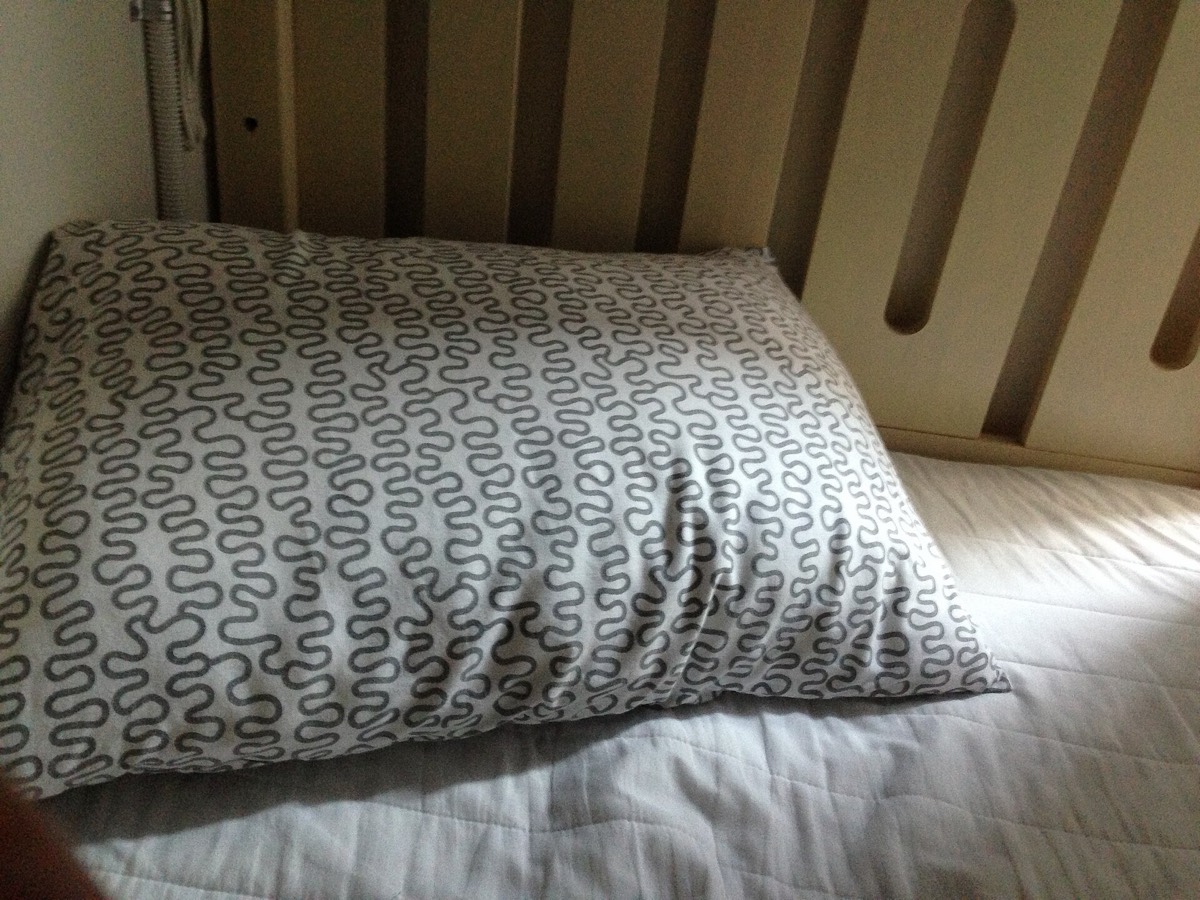
A pillowcase is the surface you sleep on — it takes the contact, the look, and most of the washing. A pillow protector is the layer underneath: a thin zipped or fitted cover that sits between the case and the pillow itself, adding a barrier where the case cannot reach.
That distinction is the whole point. Pillowcases are changed often, but they do not fully block what passes through them. Over months, sweat, oils and skin cells work their way into the filling, which is far harder to clean than a case — and often impossible to clean at all for foam pillows. A protector keeps the filling cleaner, so your pillow washing and replacement intervals stretch further.
The same logic as a mattress protector
If you already protect the mattress, the pillow is the obvious gap. They are cheap, they take minutes to fit, and they protect the item your face rests on all night — see mattress protectors for the equivalent reasoning.
The types, compared
| Type | Best for | Trade-off |
|---|---|---|
| Quilted / terry | Everyday protection and comfort | Usually not waterproof |
| Waterproof | Sweat, spills, children, pets | Can feel warm if not breathable |
| Zipped encasement | Allergies and full coverage | Fussier to fit and wash |
| Pillowcase-style | A light barrier for a tidy fit | Can slip; less sealing than a zip |
For most people a breathable quilted protector is the easy default. If allergies are the priority, a zipped encasement gives fuller coverage; if sweat or spills are the issue, look for a waterproof membrane that is described as breathable.
Do you need one?
- Yes, if you sweat heavily or use hair products. Those are the fastest routes into the filling.
- Yes, if anyone with allergies sleeps on the pillow. A protector keeps the allergen load lower between washes — see reducing dust mites.
- Yes, if pets share the bed, or if children use the pillow, both of which add spills and mess.
- Partly, if you change pillowcases often and your pillow is already washable. A protector still helps, but the case alone carries more of the load than on a mattress.
- Least useful on a pillow you are about to replace, or on a solid-foam pillow that cannot be washed anyway — though it still slows the build-up on the surface.
Care and combining with allergy covers
- Wash it with the bedding on a normal rhythm, or monthly at minimum — it collects what the case blocks.
- Wash the protector, not just the case. A protector that is never washed simply becomes another dirty layer.
- Dry it fully before refitting, especially waterproof types, so no moisture is sealed against the pillow.
- Keep a spare so the pillow is never left bare while one is in the wash.
- You usually do not need both a protector and a separate allergy cover — a zipped allergen encasement does both jobs if allergies are the concern.
Paired with a sensible washing rhythm and a loft check when the pillow ages, a protector is one of the smallest changes with the longest payoff — the pillow stays cleaner, and it lasts closer to the top of its expected life. If it does eventually flatten despite all this, our guide to when to replace a pillow covers the signs.
Do you need one for every pillow?
Not always — priorities differ by how a pillow is used:
- The pillow you sleep on earns a protector first; it takes the most contact by far.
- Decorative and throw pillows rarely need one unless pets or children use them.
- Guest-bed pillows benefit simply because they are used intermittently and forgotten in between.
- Foam pillows are worth protecting even though they cannot be washed, since the cover keeps the surface cleaner for longer.
If you only buy one, buy it for the pillow under your head.
Frequently asked questions
Does a pillow protector make the pillow hot?
Older plastic-backed protectors can. Modern breathable-membrane protectors are designed to let vapour through and feel much closer to a normal pillowcase.
Can I use a protector instead of a pillowcase?
You can, but a case is nicer against the skin and easier to change often. Most people use a protector under a case, not instead of one.
How often should I wash a pillow protector?
With your regular bedding, or at least monthly. It is the layer collecting what passes through the case, so it needs washing too.
Does a protector help with dust mite allergies?
It reduces the allergen that settles into the pillow, which helps alongside hot washing and moisture control. A zipped allergen encasement gives fuller coverage than a simple protector.
Sources and research notes
This guide covers pillow protection and care, not medical advice. Recommendations reflect general bedding-care and allergen-reduction guidance.
Written and edited by the Resthearth Editorial. Each guide starts from a real bedroom decision, is checked against the sources listed above, and is updated when guidance changes. We are an independent editorial desk, not medical professionals — read how we research and update our guides.