
Mattress
Should You Rotate or Flip Your Mattress?
Rotation evens out body-shaped dips; flipping only suits older two-sided mattresses. Here is how to tell which mattress you own and how often to do it.
The library
35 practical guides to the room you sleep in — grouped by mattress, pillows, bedding, climate, light and air.
Protect, clean and read the signs of wear on the surface you sleep on.
Rotation evens out body-shaped dips; flipping only suits older two-sided mattresses. Here is how to tell which mattress you own and how often to do it.

A topper changes how a mattress feels, and it is the cheapest way to adjust comfort without replacing the bed. It will not fix a sagging mattress, though — here is how to choose.
A protector is cheap insurance for the most expensive thing you sleep on. The type matters more than the label — here is how to choose and how often to wash it.
Firmness is a comfort setting, not a measure of quality. Match it to how you sleep and your body size, then expect a new mattress to soften over the first few weeks.
The base under your mattress affects support, airflow and your warranty. Compare box springs, slatted bases and platforms before you buy the wrong one.
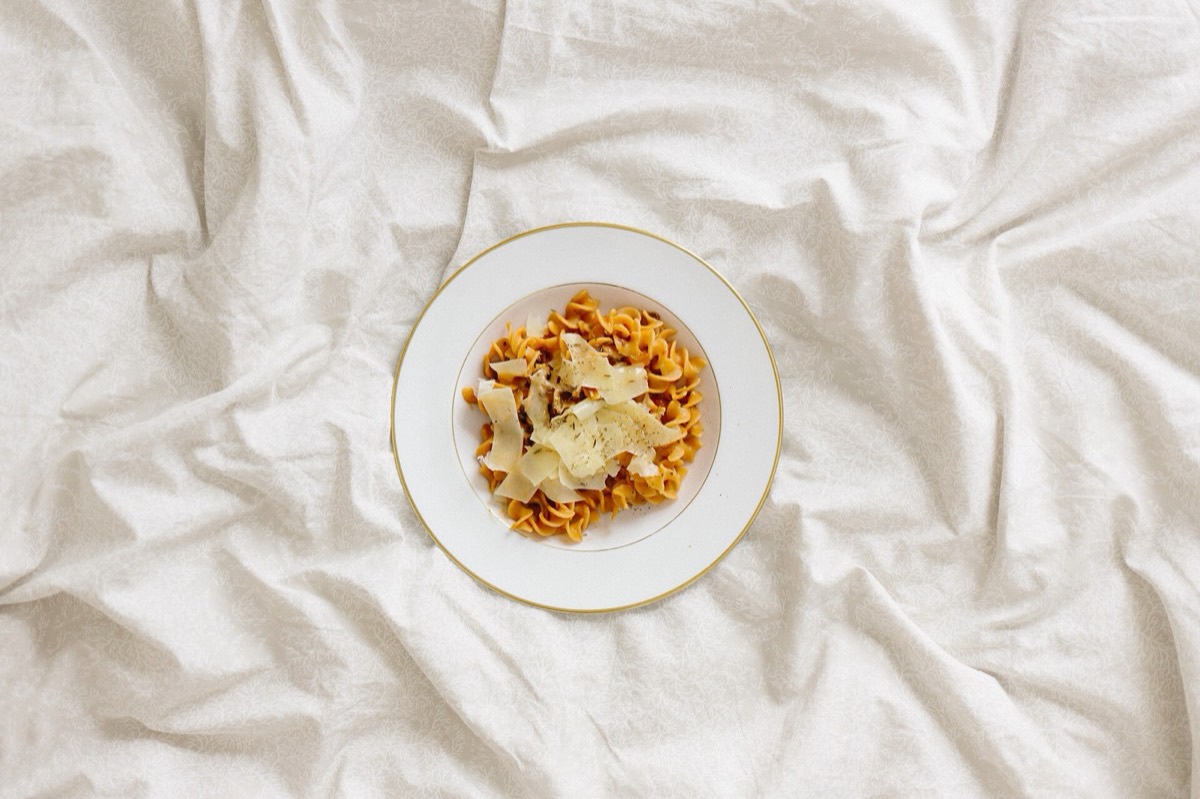
Most mattress cleaning is a dry routine plus careful stain treatment — never a soak. Here is what to vacuum, how to lift common stains, and how to dry it so it does not go mouldy.
Wash, refresh and choose the support that keeps your neck neutral.
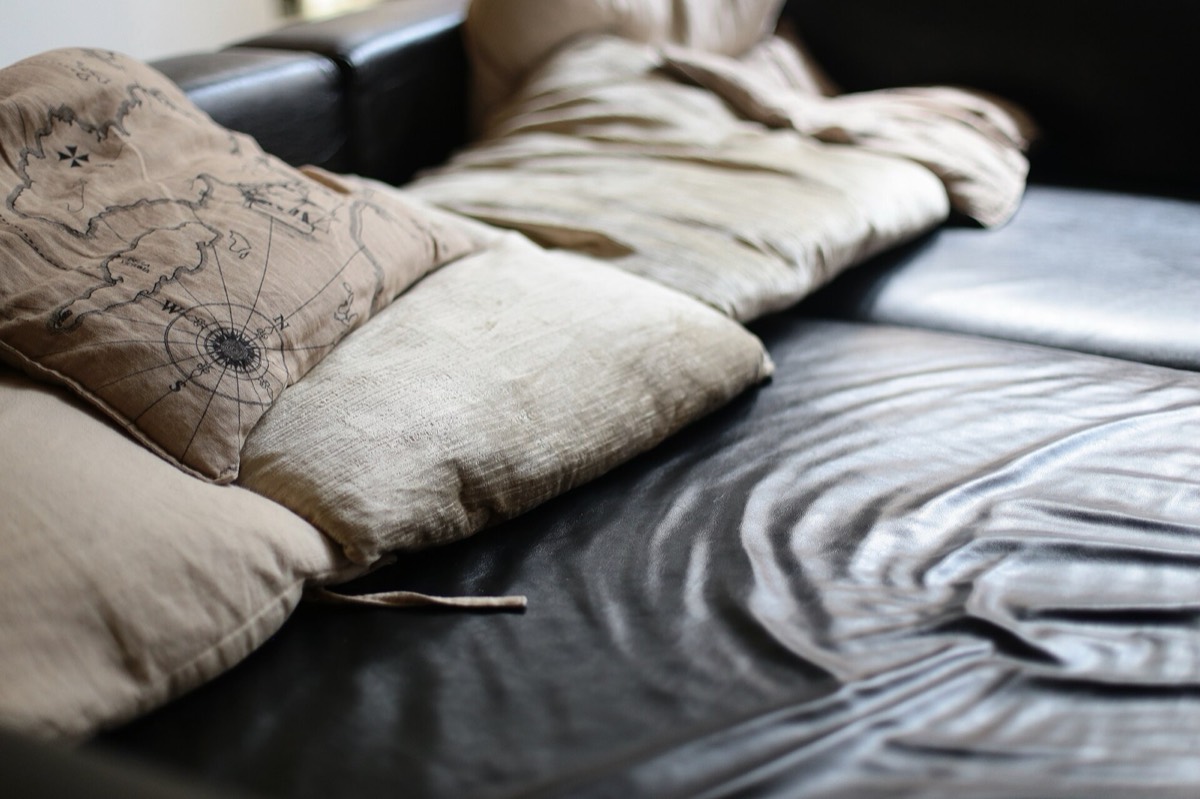
Most pillows can be washed, but the fill decides the method. Here is how to handle polyester, down and memory foam — and how to dry each one so it does not go mouldy.
Pillows fail long before they look dirty. The real signal is loft — whether it still holds your head up. Here is how to test a pillow and how long each filling lasts.
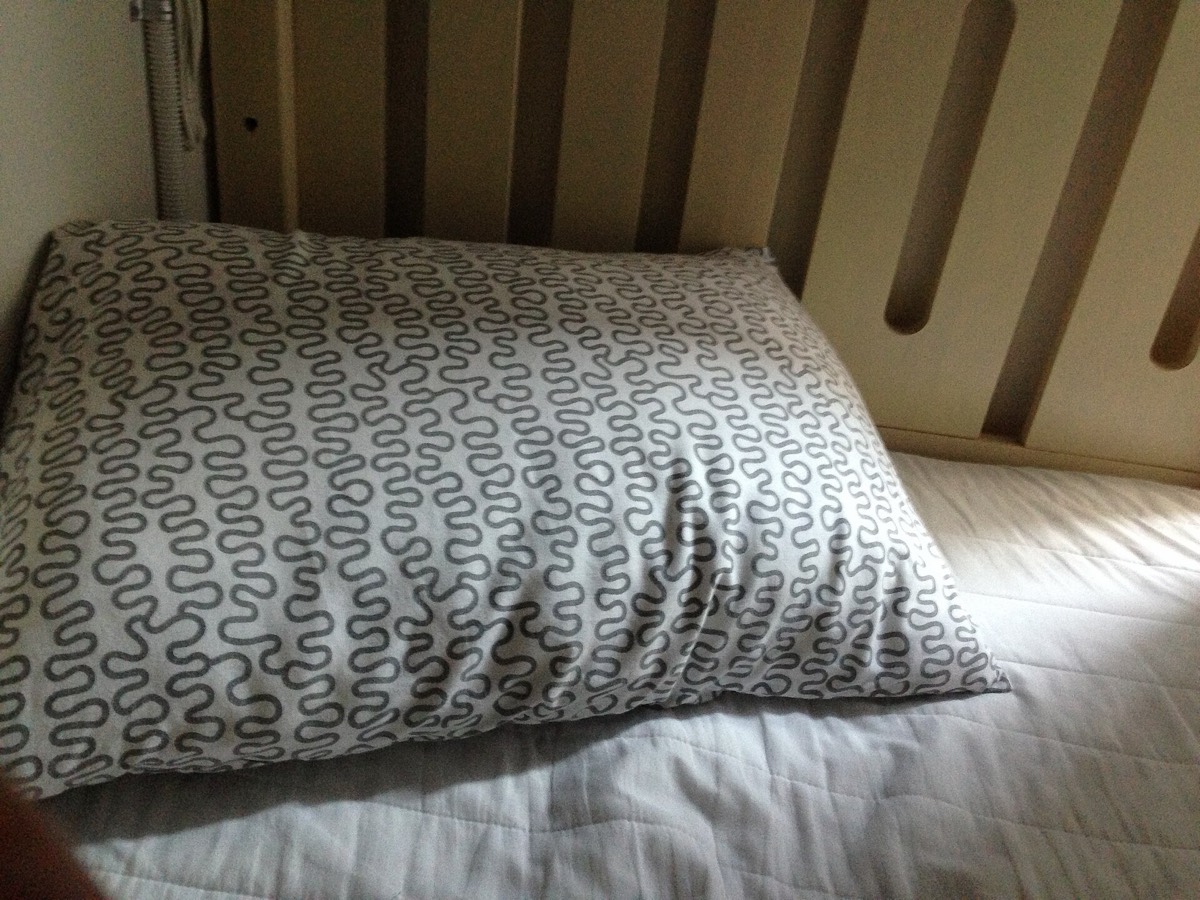
A pillowcase is for comfort and looks; a protector is what keeps sweat, oils and allergens out of the filling. Here is when one is worth adding.

Pillow height is about filling the gap between your head, neck and the mattress. Match the loft to your sleep position, then test it lying down — not sitting up.

The filling decides how a pillow feels, how long it lasts and whether you can wash it. Compare the main types on support, warmth, cost and care before you buy.
Keep sheets, duvets and covers clean, comfortable and long-lasting.

A weighted blanket suits some sleepers and is unsuitable for others — especially young children. Here is what it does, how to choose a weight, and the safety rules that matter.

A duvet is the biggest and most awkward thing on the bed to wash. Match the method to the fill, use a big enough drum, and dry it properly or it will clump.

Thread count is one of the most quoted and least useful numbers in bedding. These are the questions worth asking before you trust it.
Stored bedding fails for one of two reasons — it went away damp, or it went away dirty. Follow this checklist and next season's sheets come out fresh instead of musty.

Sheets, duvets and covers all wear out on different clocks, and none of them announce it clearly. Here is how long bedding tends to last and the signs it is done.
Once a week is the common recommendation, but the honest answer depends on sweat, pets, allergies and whether you sleep alone. Here is how to set your own rhythm.
A duvet that bunches at the bottom is usually a tying or sizing problem, not a bed-making failure. Fix the corners, match the sizes, and use a method that locks it in.
Choose warmth first, then filling, then size and construction. A duvet that is right for your room temperature matters more than any brand or thread count.
Tune warmth, moisture and airflow so the room stays comfortable all night.
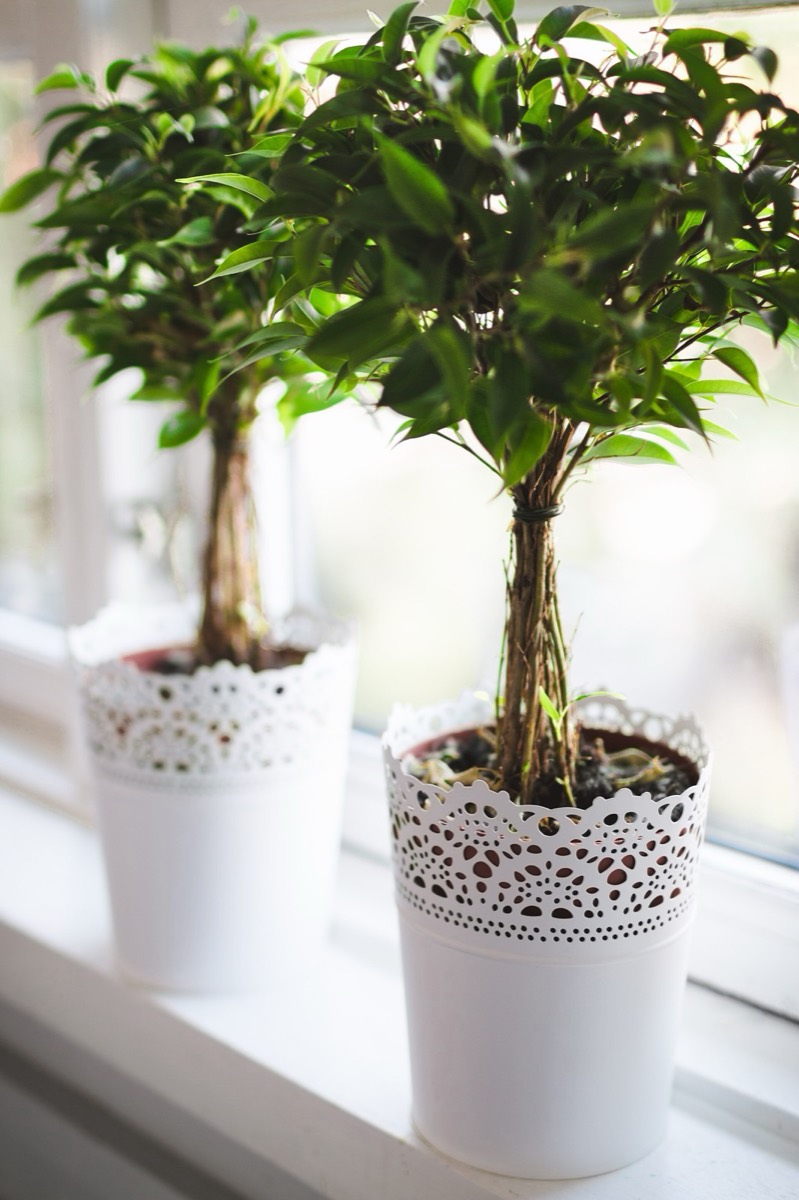
You do not need air conditioning to sleep through a hot night. Block the sun by day, flush the room after dark, and cool the person rather than the whole house.
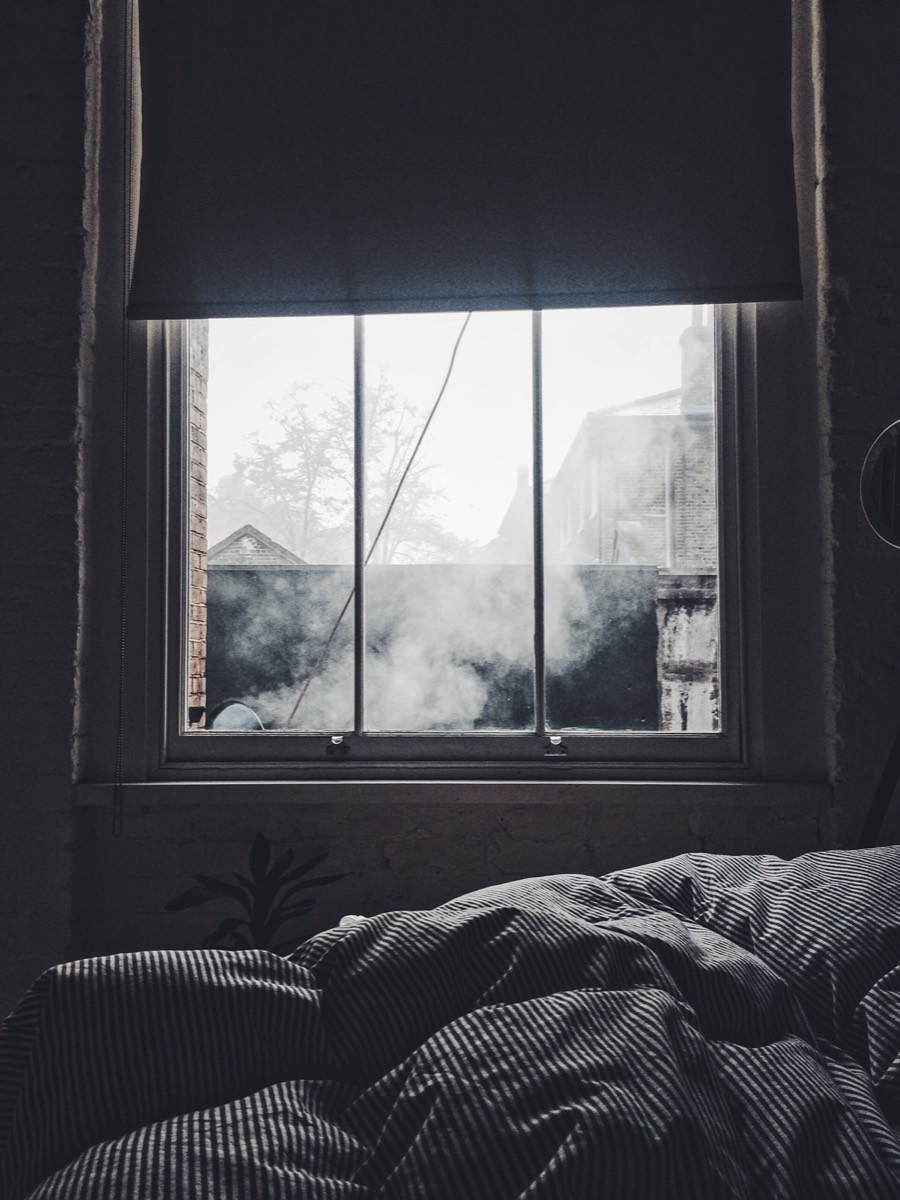
Most people sleep best in a cool room, but the number usually quoted is colder than current guidance and the evidence behind it is looser than it sounds. Here is what the research actually supports.

Warming a bedroom is mostly about stopping heat leaving, then heating the person — not about turning the thermostat up. This checklist works even in an old, draughty home.

Overnight moisture has predictable sources: breathing, showers, laundry and poor ventilation. Find the cause with a two-minute check, then stop it returning.

Pulling the duvet back for a while each morning lets overnight moisture escape instead of soaking into the mattress. It is a small habit that quietly helps a drier, fresher bed.
Control daylight, evening light and screens to protect the wind-down.
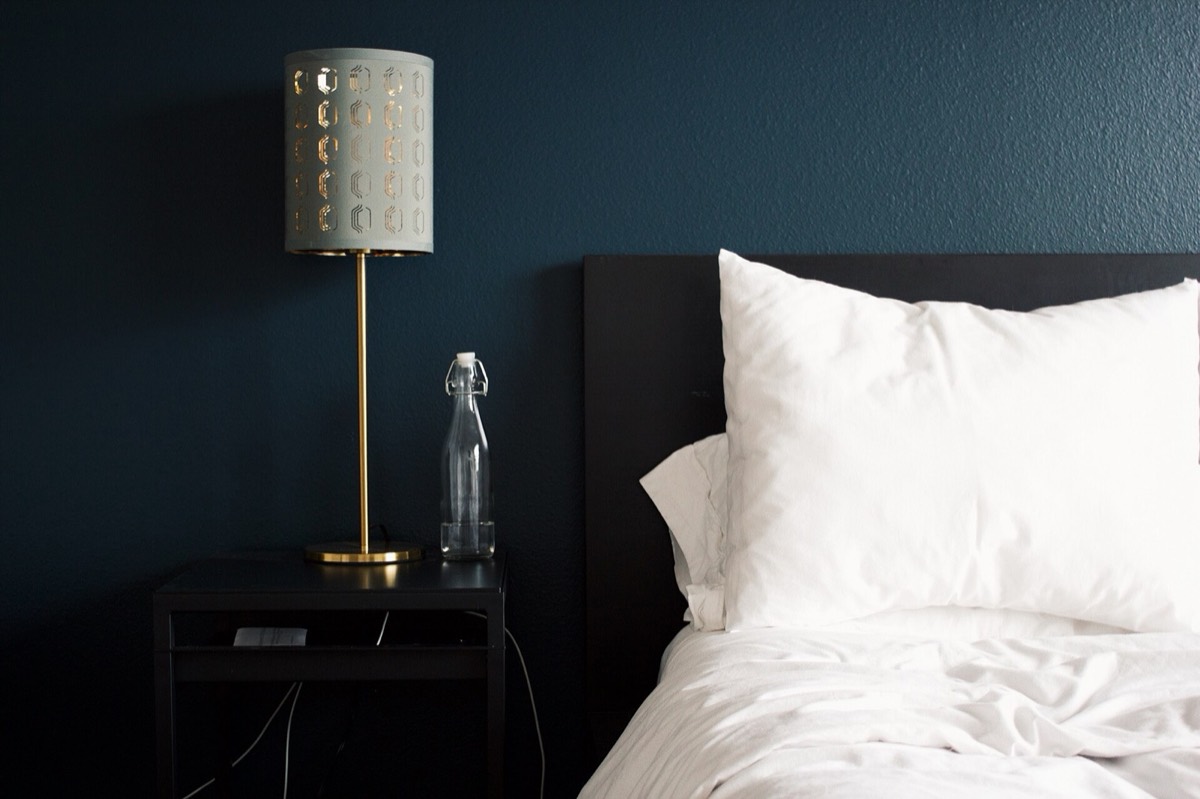
Waking to a slowly brightening room is gentler than waking to a blaring alarm in the dark. Here is what a wake-up light does, who it tends to suit, and how to set one up.
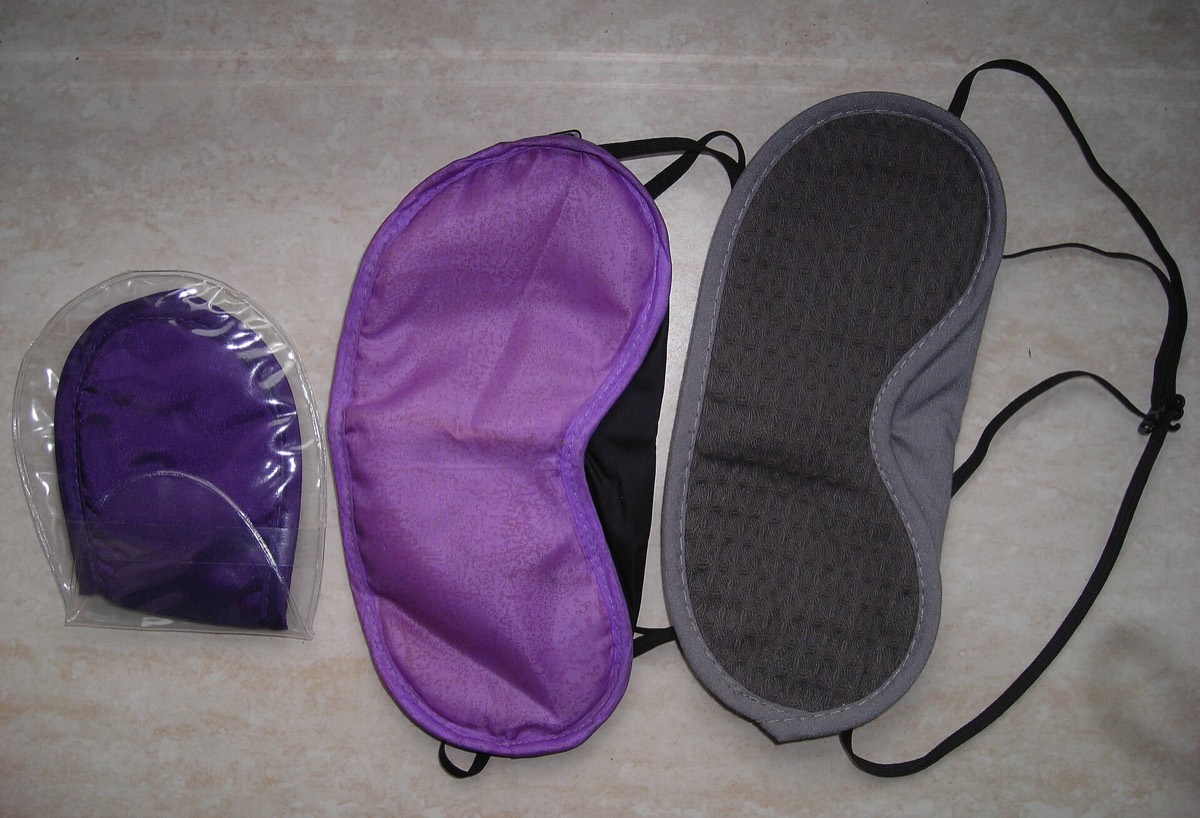
A sleep mask is the cheapest way to buy darkness — but it only fixes light at your eyes, not the room. Straight answers to the questions that decide it for you.

Blackout curtains solve one problem well and leave others untouched. Compare the real options for your window, including no-drill fixes for renters.
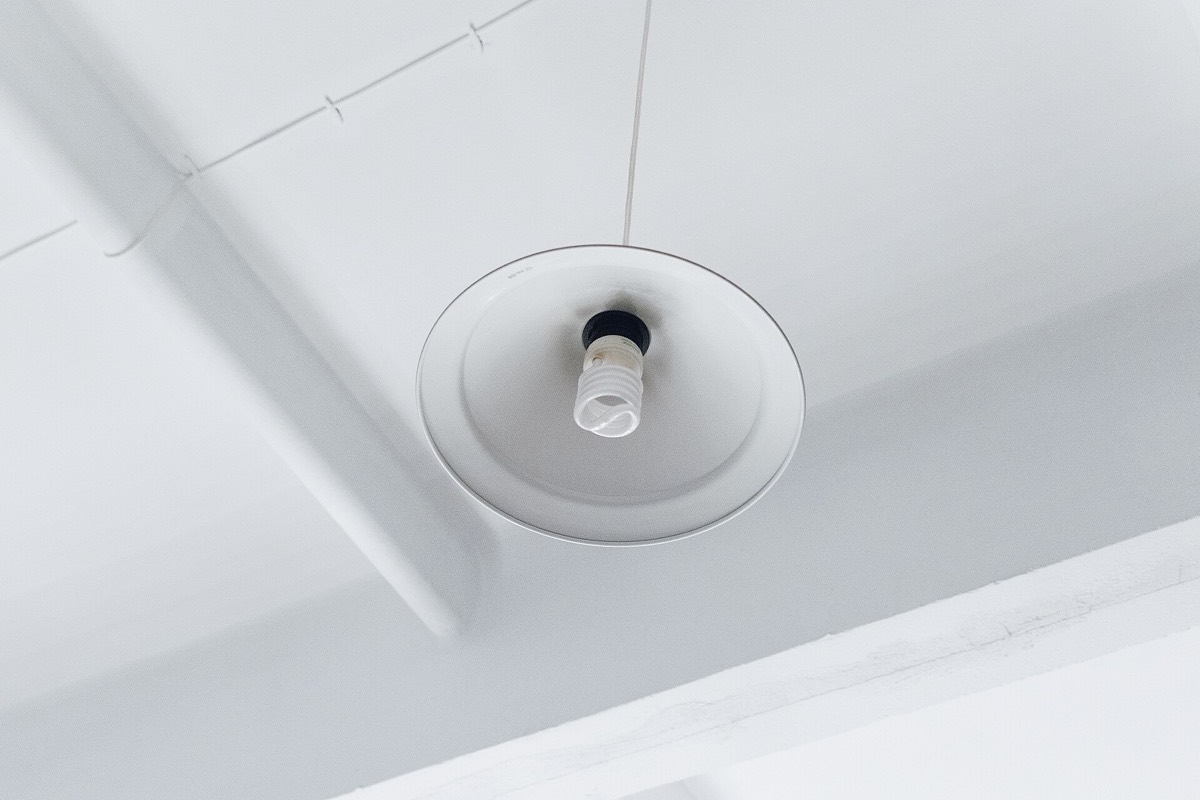
The warmth of your bedroom light matters as much as how bright it is. Keep evenings warm and dim, save cooler light for the day, and make sure you can turn it right down.

As dark as practical is the rule of thumb, but most bedrooms leak light in small ways. Audit six common sources, then fix the ones you can actually control.
Reduce dust, allergens and stale air without over-drying the room.

A stuffy bedroom is usually a fresh-air problem, not a dust problem. Here is what actually builds up overnight, why small rooms suffer most, and why a purifier is not the answer.
Start from what you actually notice — a stuffy morning, a musty bed, a reaction after cleaning — then match the fix. A realistic routine for a normal home.

Pet hair is easy to see and hard to remove, but it is only half the problem. Here is how to reduce what reaches the bed, lift what is already there, and handle the allergens that come with it.

Plants are a pleasure to live with, but they are not the air purifier the internet promises. Here are direct answers to the questions people actually ask.
A humidifier helps a dry, heated room — but only if you keep it clean and stop before the air turns damp. Here is when it helps, when it does not, and how to run one.

A purifier can genuinely cut airborne dust, pollen and smoke — but it cannot remove dust mites living in your mattress. Here is what filters do, and how to size one.