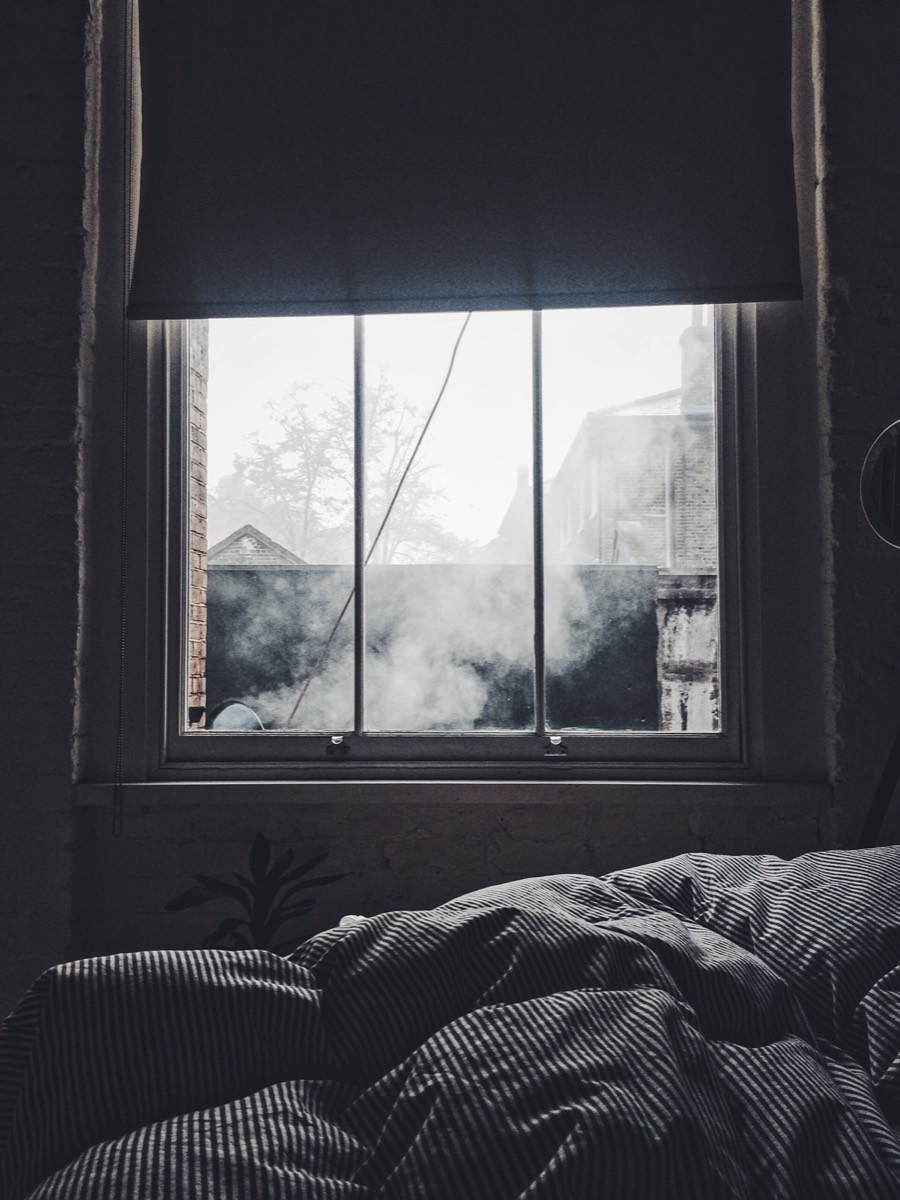

Most cold bedrooms are not cold because the heating is too low. They are cold because heat escapes faster than it arrives — through gaps, single glazing, bare floors and thin bedding — and because the person in the bed is being kept warm by the duvet rather than the room. Work in the order below and a little heat goes much further.
First, stop the heat leaving
- Deal with draughts before anything else. A gap under a door or around a window can undo an hour of heating. Draught excluders, seals and a door brush are cheap and effective.
- Cover cold surfaces. Single-glazed windows lose heat fast, so a heavier or thermally lined curtain helps — the same logic behind choosing a window covering.
- Put warmth underfoot. Cold floors pull warmth from the room; a rug makes a real difference in a bedroom with bare boards.
- Close unused rooms. Heating a hallway or spare room to bedroom temperature wastes energy; keep the bedroom door shut and heat the room you are in.
Then, warm the person, not the whole room
- Layer the bed, not just the thermostat — a duvet plus a throw you can remove is more controllable than overheating the room.
- Use the right duvet weight for the season; a summer duvet in a cold room is the wrong tool — see choosing a duvet.
- Try a hot-water bottle under the covers before bed, removed before you sleep, rather than heating the whole room all evening.
- Wear more to bed. Warm socks and a long-sleeved layer matter more than a one-degree change to the room.
Heat the air sensibly
- Aim for a comfortable range, not maximum. Overheating fights good sleep — the target sits around 18–20°C for most adults.
- Use a timer or schedule. Warming the room before bed and overnight, rather than all day, uses less energy for the same comfort.
- Do not heat an empty room to bedroom temperature. Let it drop during the day if the room is unused.
- Keep heaters clear and safe. Never drape anything over a heater, and keep them away from bedding and curtains.
Ventilate without throwing heat away
Colder weather tempts you to seal the room completely, but a sealed bedroom traps moisture — which shows up as condensation and damp, and makes the room feel colder than it is. The answer is short bursts of ventilation rather than none:
- Air it briefly and fully. Ten minutes with a window open flushes the room; the surfaces reheat quickly. All-day background ventilation is unnecessary in winter.
- Do not block vents. Trickle vents and air bricks are there for a reason, even when it feels counterintuitive in the cold.
- Watch for condensation. Water on the windows is a sign the room is too humid, not too cold — see why bedrooms feel damp.
- Dry laundry elsewhere. An indoor airer dumps moisture into the air and makes the room feel colder — the opposite of what you want in winter.
Cold is a health issue, not just a comfort one
This guide is about bedroom comfort. Cold homes carry real health risks, especially for older people, young children and anyone unwell. Follow official public-health advice on keeping warm, and check on neighbours and relatives who may struggle to heat their homes.
Do it in order and the bedroom warms with less energy: seal the gaps, cover the cold surfaces, warm the bed before the room, and ventilate in short bursts rather than sealing everything shut. In summer, the same logic runs in reverse — see keeping a bedroom cool.
If the room is still cold
- Check for blocked heat. A radiator with a curtain over it or furniture in front is wasting the heat you are already paying for.
- Move the bed off a cold outside wall. The same bed can feel noticeably warmer a foot away from an uninsulated wall.
- Warm the bed, not the room, at bedtime. An electric blanket or hot-water bottle lets you keep the room a degree or two cooler without feeling it.
- Accept a cooler sleeping temperature. A cool room with warm bedding sleeps better than a hot room with a thin duvet — see the recommended range.
- Consider insulation for a long-term fix. Draught-proofing and loft or wall insulation are the durable solutions; everything else is a workaround.
Sources and research notes
This guide covers bedroom warmth and comfort, not medical advice. Cold weather is a public-health matter, so follow official guidance and check on vulnerable people.
Written and edited by the Resthearth Editorial. Each guide starts from a real bedroom decision, is checked against the sources listed above, and is updated when guidance changes. We are an independent editorial desk, not medical professionals — read how we research and update our guides.