Blackout curtains solve one problem well and leave others untouched. Before buying anything, work out which light is actually waking you — the right answer is different for dawn light, a street lamp and a bright hallway. Start with the branch that matches your room.
Start with what is waking you
Find your situation below, then read the section that follows on hanging.
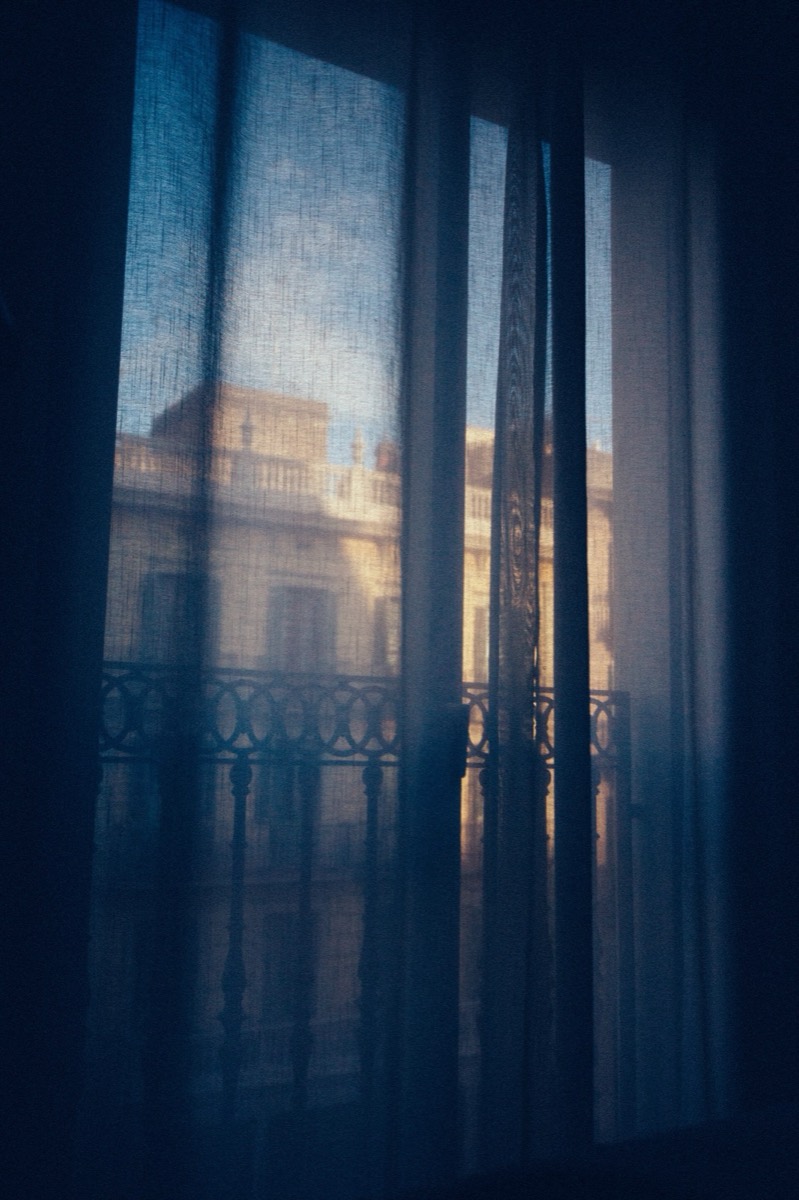
Dawn light creeping over the top and sides
The classic case for blackout — but only if the edges are covered. A bigger, longer curtain mounted above and beyond the frame, with panels that overlap and return to the wall, solves it. The fabric matters far less than the fitting.
A street or security light at eye level
A curtain often misses this entirely, especially if the lamp is low. A blackout roller blind fitted tight inside the window recess usually beats a loose curtain here, with a curtain over the whole opening as a second layer.
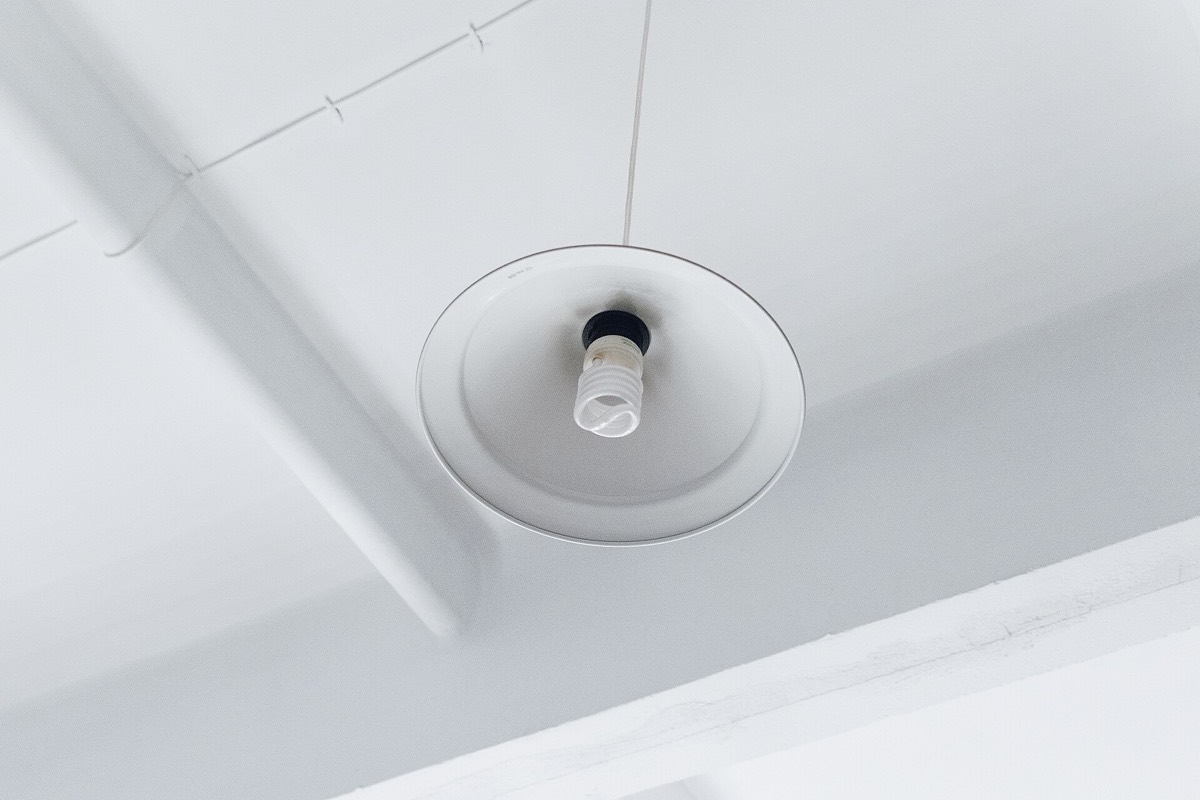
Light from a doorway or landing
No window covering helps. Deal with the source instead: a draught excluder along the bedroom door, or dimming the hallway light. This is the most common misdiagnosis — people buy curtains for a door problem.
Screen and standby light
Remove or cover the source rather than darkening the whole room. A phone face-down, a charger moved out of the bedroom, or tape over a small LED does more than heavier curtains.
Whole room too bright, every morning
This is where a full blackout setup earns its keep: correctly sized curtains with a lining, or a ceiling track with returns, so light has no obvious path around the edges.
Hanging them so they actually work
Darkness is also only part of the picture: a room that stays cool and still does the rest. Whatever you buy, fit it properly:
- Measure wider than the window — about 1.5 to 2 times the width, so the fabric pleats and overlaps.
- Mount the track above the frame, close to the ceiling, so light does not escape over the top.
- Go floor-length. A short drop lets light under the hem.
- Overlap in the middle so the panels cross rather than meet.
- Return the edges to the wall with side brackets or a wrap-around track.
Renter-friendly and no-drill options
- Tension rods inside the recess for lightweight blackout panels.
- Adhesive hooks above the frame for a wider, track-free panel.
- A removable blackout sheet or film against the glass for the worst summer weeks.
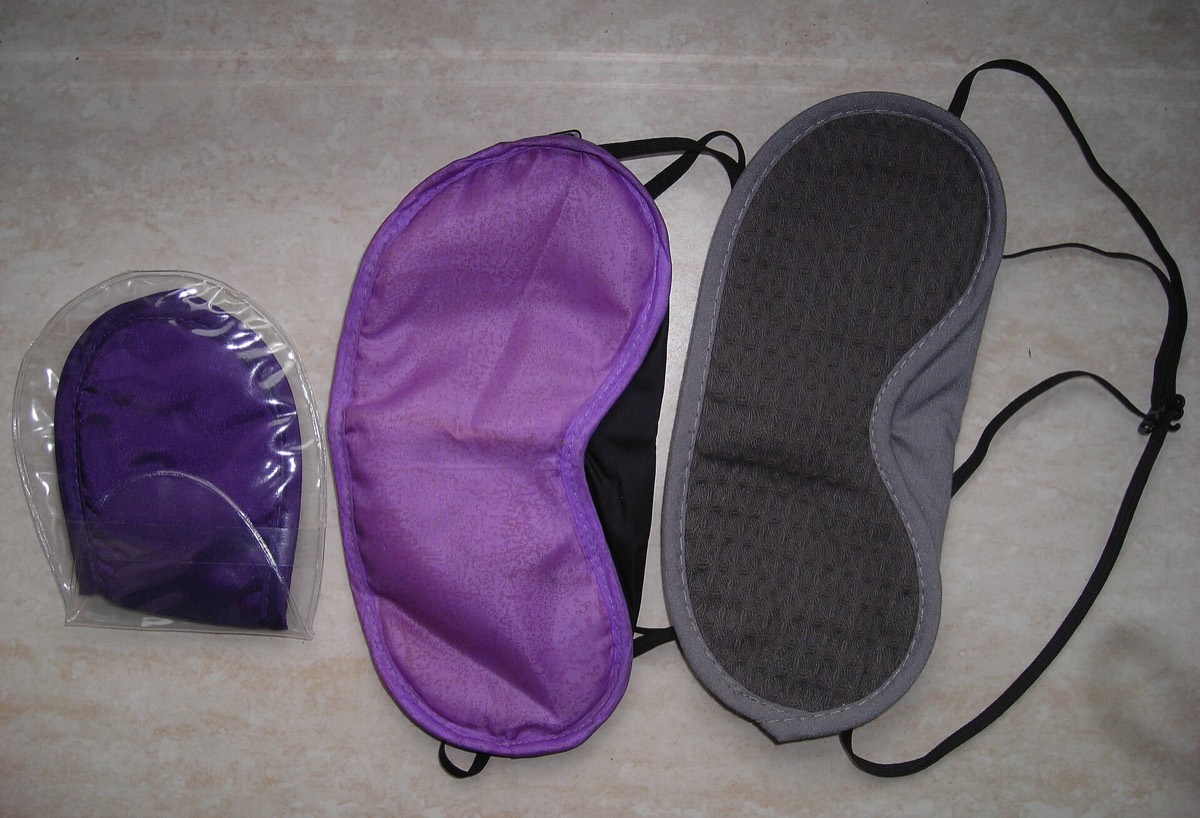
- A sleep mask as the cheapest backup if edges still leak.
Mistakes that stop blackout working
- Buying too narrow, so light rounds the sides.
- Hanging inside the frame, leaving a gap against the wall.
- Stopping short of the floor.
- Leaving a gap in the middle where panels meet.
- Ignoring the top — no pelmet or high track means light pours over the pole.
- Choosing a shiny backing that looks like a lit surface from inside.
The options, compared
Once you know what is waking you, the product choice is easier. These are the realistic options, and how much darkness each one actually delivers.
| Option | Best for | Darkness | Fitting effort |
|---|---|---|---|
| Blackout-lined curtains | Most bedrooms | High, if sized well | Moderate |
| Separate lining behind existing curtains | Keeping curtains you like | High | Low |
| Ceiling or wall track with returns | Maximum darkness | Highest | Higher |
| Blackout roller blind + curtain | Awkward or bay windows | High | Moderate |
| Blackout roller blind alone | Simple, modern windows | Medium (side gaps) | Low |
| Sleep mask | Travel and light sleepers | Eye-level only | None |
| Temporary blackout panel | Renters, shift work | Medium to high | Low |
Two rows do most of the work: curtains plus a lining give flexible, attractive darkness, while a tight roller blind beats a loose curtain for a single bright, low window. Where you can fit both, the combination usually outperforms either alone. One distinction worth knowing before you buy: room-darkening fabric dims a room, while true blackout fabric blocks essentially all light — if dawn wakes you, ask for blackout.
Two questions people always ask
Do blackout curtains make a room hot? They can help or hinder depending on the lining. A reflective or thermal lining reduces heat gain, while a heavy unlined fabric can hold warmth in. In a warm bedroom, match the lining to your climate rather than assuming heavier is better.
Do I need blackout or just room-darkening? Room-darkening fabric dims a room; true blackout fabric blocks essentially all light. If you only want to soften street light, room-darkening may be enough and lets a little daylight through. If dawn wakes you, choose genuine blackout and fit it well.
Sources and research notes
The light guidance here is about the bedroom environment, not the treatment of sleep problems. Sizing and fitting advice follows common curtain-fitting practice.
Written and edited by the Resthearth Editorial. Each guide starts from a real bedroom decision, is checked against the sources listed above, and is updated when guidance changes. We are an independent editorial desk, not medical professionals — read how we research and update our guides.