Quick answer
Warm and dim in the evening, brighter by day
- Evening
- Around 2700K or lower — warm, amber-toned light.
- Daytime / dressing
- Neutral to cool (around 3000–4000K) is fine for seeing clearly.
- The key feature
- Dimming. Brightness often matters more than colour.
- Avoid at night
- Bright cool-white light, which is the most alerting option.
What colour temperature means
Colour temperature is measured in kelvin (K), and it runs opposite to intuition: a lower number means a warmer, more orange light, and a higher number means a cooler, bluer one.
| Kelvin | Appearance | Typical use |
|---|---|---|
| Under 2700K | Warm, candle-like amber | Evening wind-down, bedside |
| 2700–3000K | Soft warm white | Most bedrooms |
| 3000–4000K | Neutral to cool white | Dressing, reading, tasks |
| 4000–5000K+ | Daylight white | Kitchens, offices, mornings |
Many bulbs and fixtures now state their kelvin on the box, and "warm white" usually sits around 2700–3000K. If you are choosing a bedside bulb, that is the range to look for.
Lower number, warmer light
The single most useful thing to remember: cool white is a high kelvin (4000K+), warm white is a low kelvin (2700K and below). If the light feels like an office, it is too cool for bedtime.
Why warm light suits the evening
The body clock reads light as a time-of-day signal: bright light tends to tell the body it is daytime, while darkness and dim warmth say evening. That is why a bright, cool-white ceiling light close to bedtime works against the wind-down, and why a warm, low lamp supports it.
This is the same principle behind keeping the room dark at night (see how bright a bedroom should be) and letting morning light in when you wake. Colour temperature is simply the part of that you control with a bulb.
Planning a bedroom lighting mix
One bright ceiling light is rarely ideal for a bedroom, because it gives you either full brightness or nothing. A mix works better:
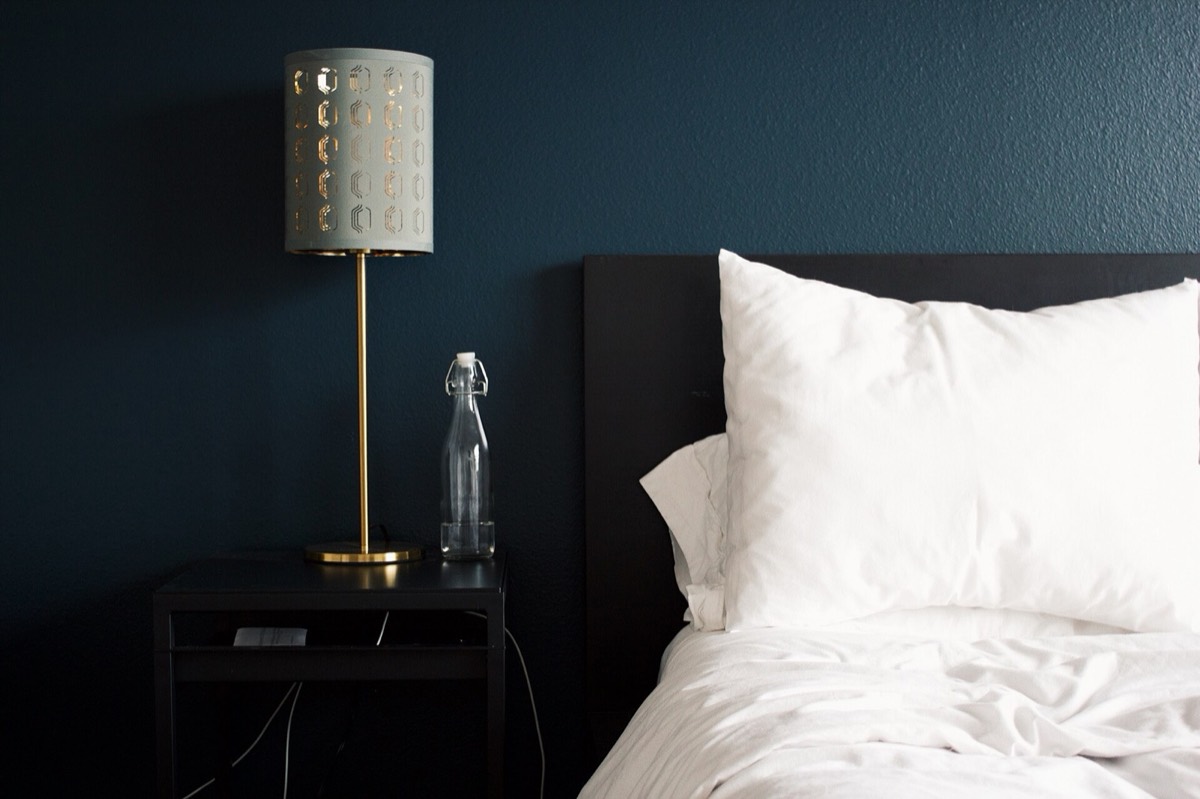
- A warm bedside lamp for reading and the last hour before sleep.
- A dimmable main light you can turn down low, rather than a fixed bright one.
- A small warm night light if you need some visibility, kept low and angled down.
- Warmer, cooler-optional bulbs if you want the same fixture to serve dressing in the day and winding down at night — many "tunable" bulbs shift colour as well as brightness.
If a room must do several jobs, prioritise dimming over colour. A warm bulb you can turn right down is more useful for sleep than a cool bulb you cannot.
Practical tips
- Match your bulbs. Mismatched warmth between fixtures looks careless and fights the effect you want — buy the same kelvin for the bedside pair.
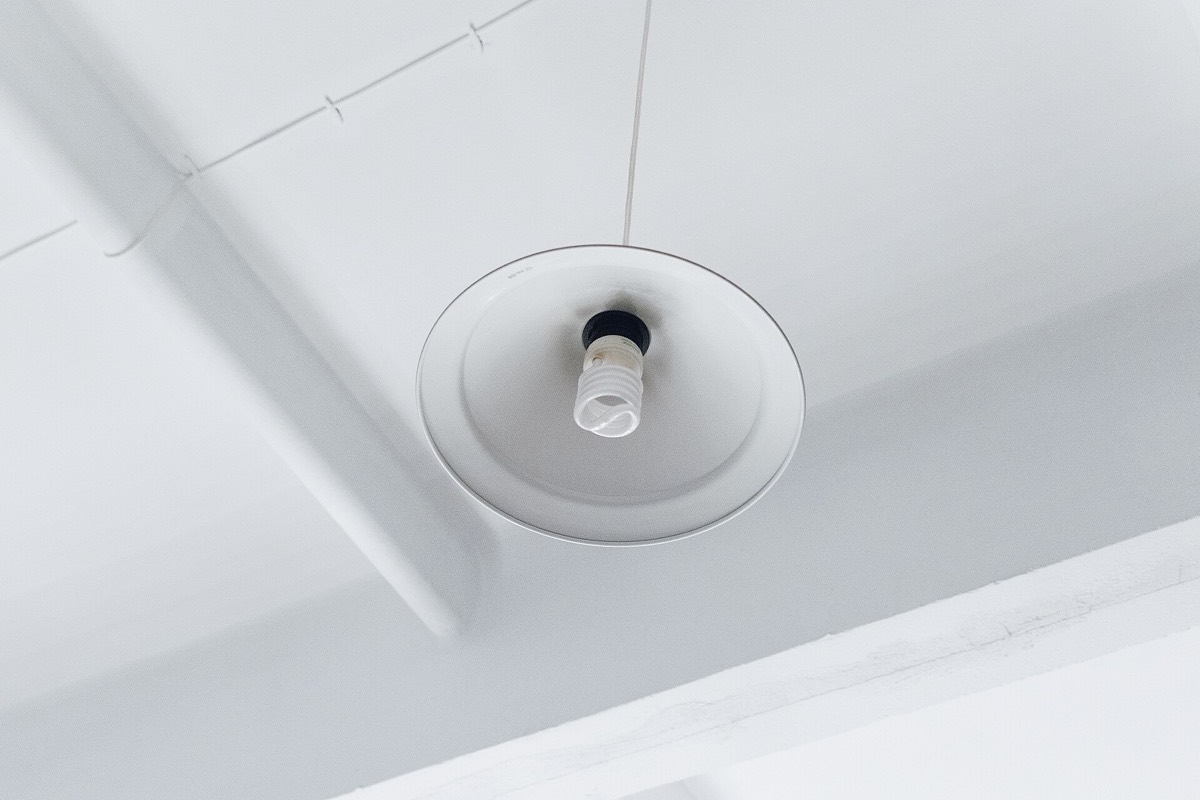
- Shade the glare. An unshaded bulb is harsh and alerting even if it is warm; a fabric or frosted shade softens it.
- Angle light downward. Aim light at the page or the floor, not at your eyes.
- Dim before bed. Lower the brightness as the evening goes on, not just at lights-out.
- Keep cool light for the morning. A bright, cooler light when you wake supports the opposite signal — the logic behind a wake-up light.
Bulb types and smart bulbs
Most bedroom bulbs today are LED, and the kelvin is printed on the box alongside brightness in lumens. Two practical points sit on top of colour temperature:
- Dimming needs compatible bulbs. If you want a dimmer switch, the bulb must be dimmable, or it will flicker or buzz.
- Smart and "tunable" bulbs shift colour, not just brightness. These let one fixture run cool and bright in the morning and warm and dim in the evening — useful if the room does double duty.
None of it is essential. A single warm, dimmable bulb in a shaded lamp covers almost everything a bedroom needs at night; the extras are convenience, not requirements.
Frequently asked questions
What is the best kelvin for a bedroom?
Around 2700–3000K for general use, and lower for the last hour before sleep. Higher kelvin (4000K+) is better left to rooms where you work rather than wind down.
Are warmer bulbs dimmer?
No — kelvin describes colour, not brightness, which is measured separately in lumens. You can have a bright warm bulb or a dim cool one. What usually matters for sleep is the brightness and the dimming.
Do "daylight" bulbs help in the morning?
A cooler, brighter light in the morning mirrors natural daylight and supports waking. The same light is poorly suited to the evening wind-down.
Can smart bulbs help?
Yes — many change both colour temperature and brightness on a schedule, which lets one fixture shift from bright morning to warm evening. Convenience, not necessity.
Sources and research notes
This guide covers bedroom lighting for comfort and the light/dark routine. It is not medical advice; persistent sleep problems should be discussed with a health professional.
Written and edited by the Resthearth Editorial. Each guide starts from a real bedroom decision, is checked against the sources listed above, and is updated when guidance changes. We are an independent editorial desk, not medical professionals — read how we research and update our guides.