For half the year, many people wake in a room that is still completely dark. The alarm goes off, the body is dragged from sleep by sound alone, and the day starts at a jolt. A wake-up light exists to soften exactly that moment: instead of switching on, it brightens gradually over the half hour before you rise, so the room is already light by the time the alarm sounds.
It is a small change with a simple idea behind it. Light reaching the eyes is one of the strongest signals the body uses to decide the night is ending. Get that signal early and gently, and the transition out of sleep tends to feel less abrupt — which is the entire point of the product.
What it is, and what it is not
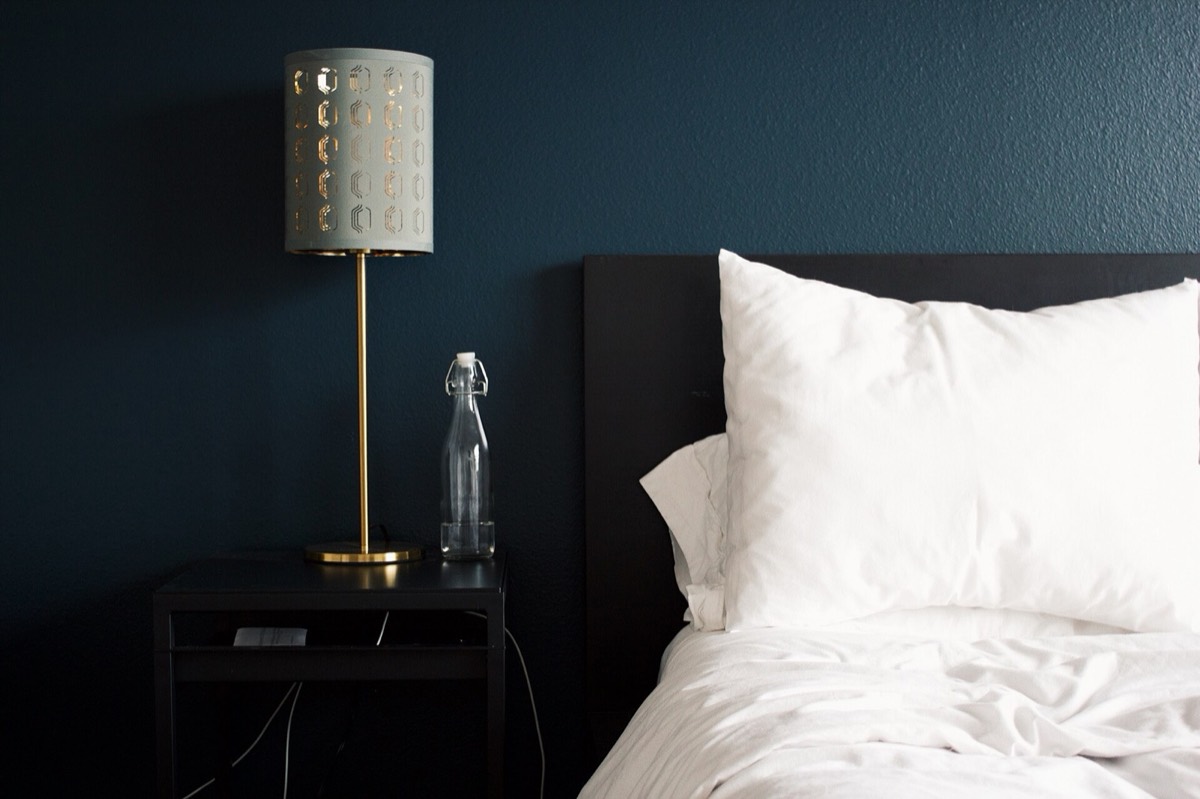
A wake-up light is a bedside lamp on a timer, usually with a few extra touches: an adjustable sunrise duration, a rising sound or gentle tone as a backup, and sometimes a dimmable clock face that can be turned almost off at night. One common model adds a sunset fade to help you wind down as well.
It is not a medical device, and it is not the same as clinical light therapy. Light therapy uses a much brighter, longer, deliberate exposure, usually for seasonal conditions, and belongs under the guidance of a health professional. A wake-up light is a comfort product that mimics sunrise at your bedside.
Why it suits dark bedrooms in particular
The people who notice the biggest difference tend to be the ones whose bedrooms are darkest. If you have gone to the trouble of blocking light for good sleep — heavier curtains, better coverage, fewer glowing gadgets — you have also made your mornings darker, and in winter that can mean waking in near-total darkness.
That is not a contradiction to fix; it is a division of labour. Keep the room dark at night, and let a wake-up light supply the morning brightness the curtains are doing their job of blocking. The two goals pull in opposite directions, and that is exactly why a timed light is useful.
Dark at night, bright on waking
Treat the bedroom as having two settings. Blackout for sleep, covered in darkening a room, then a gradual brightening in the morning. Colour matters too: warm light suits the evening, brighter and cooler suits the morning, as bedroom lighting explains.
Who tends to like one
Within its limits, a wake-up light suits people who recognise themselves here: those who wake before sunrise through autumn and winter; anyone who finds a loud alarm jarring and wants a gentler start; households where one person rises early and a light wakes them without blaring at everyone; and anyone easing toward an earlier wake time who wants a gradual nudge rather than a shock.
It suits some people more than others — how sensitive you are to light varies — and it is not a fix for a sleep problem. If you struggle to sleep, wake unrefreshed, or feel low in winter, those are matters for a health professional, not a lamp.
How to get the most from it
- Place it where the light reaches you. Within arm's reach and angled toward your face, not across the room.
- Finish the sunrise at your wake time, so the brightest phase lands just before the alarm.
- Dim or hide the clock face. Keep the room genuinely dark until the sunrise begins.
- Pick a gentle, rising sound if light alone is not enough to wake you, rather than a sudden alarm.
- Give it a week. How well light wakes you varies, so judge it over several mornings instead of one.
Used well, it is one of the quieter bedroom upgrades: nothing you notice during the day, but a morning that starts with light rather than noise. Pair it with a consistent wake time — the light supports a routine, it does not create one — and the darkest mornings of the year become noticeably easier to meet.
What to look for when buying
Beyond the basics, a few features decide whether a wake-up light gets used or becomes an expensive clock:
- A genuinely bright maximum. A lamp too dim to light the room will not wake a heavy sleeper, however nice the sunrise fade is.
- Adjustable sunrise length — being able to set 20, 30 or 45 minutes matters more than a fixed setting.
- A dimmable or switch-off display. A bright clock face defeats the goal of a dark room before the sunrise begins.
- A rising sound as backup, for mornings when light alone is not enough.
- A simple interface. If setting it takes a manual, you will stop using the timer.
Sources and research notes
This guide explains a bedroom product and the role of light in waking. It is not medical advice; persistent sleep problems or low winter mood should be discussed with a health professional.
Written and edited by the Resthearth Editorial. Each guide starts from a real bedroom decision, is checked against the sources listed above, and is updated when guidance changes. We are an independent editorial desk, not medical professionals — read how we research and update our guides.